

SUSPECTED COUNTERFEIT ANIMAL FEED RAISES GROWING FOOD SAFETY CONCERNS
- News and Events
- Hits: 636
A recent multi-agency operation in Molo has brought to light a troubling and growing threat within the agricultural sector; the manufacture and distribution of suspected counterfeit animal feed products.
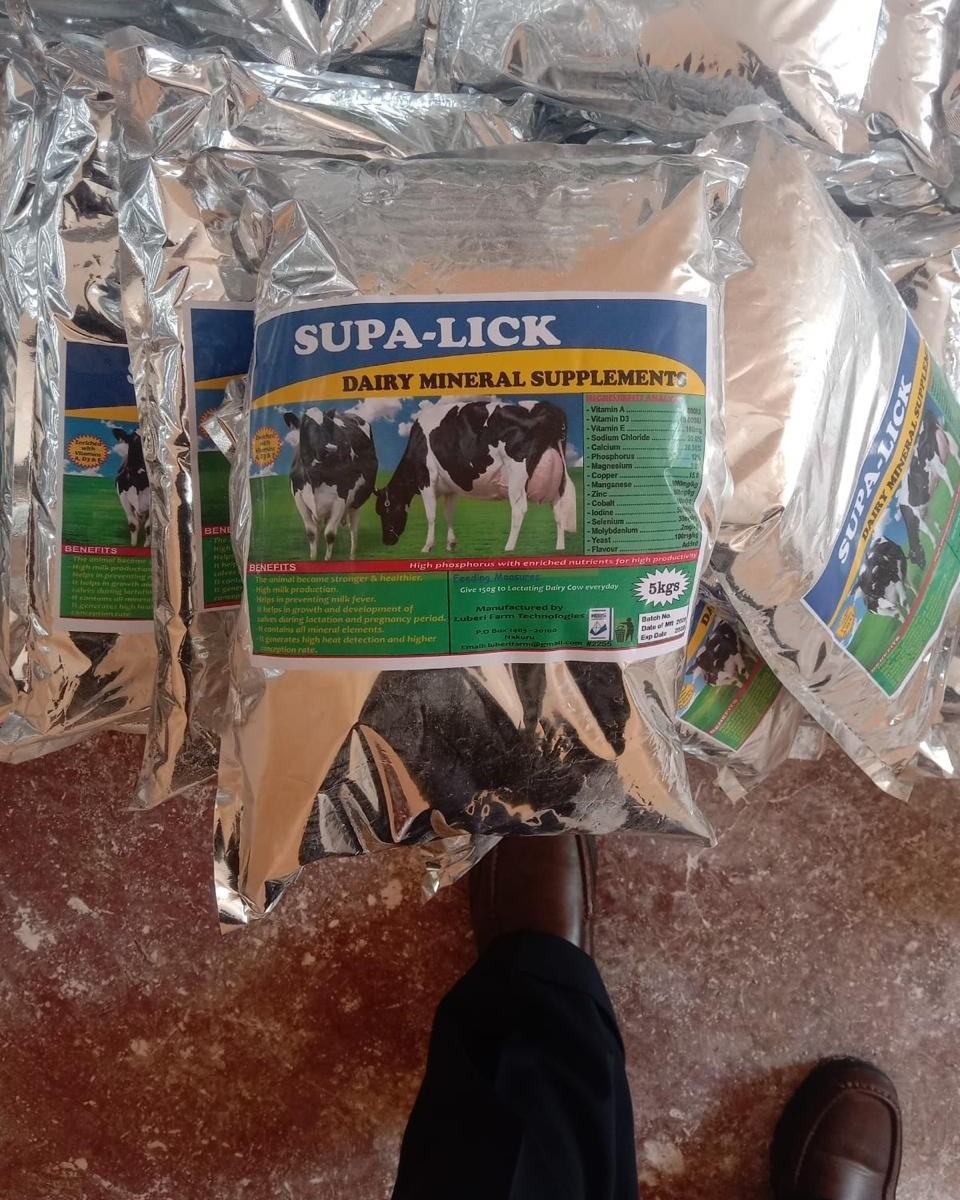
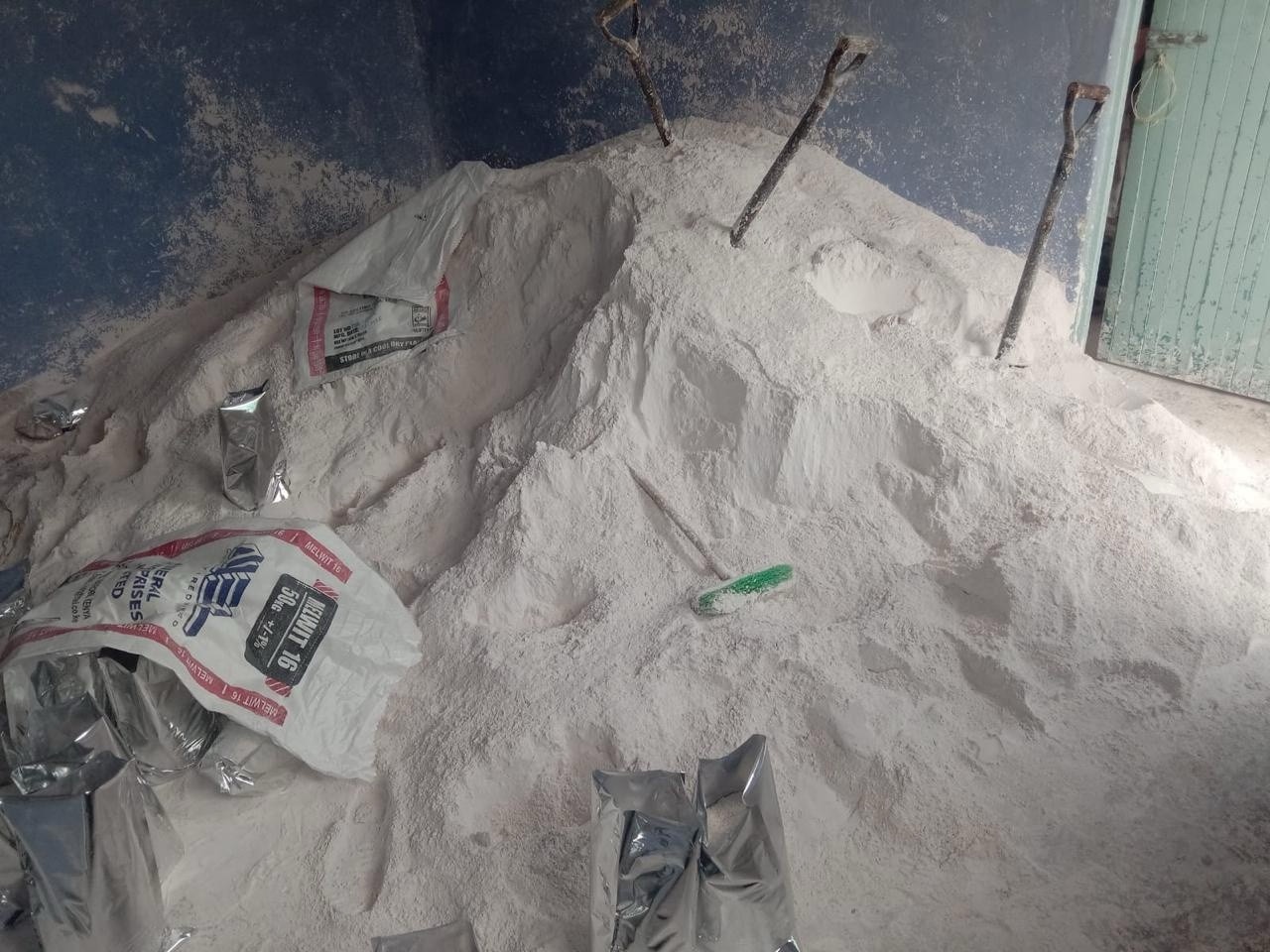
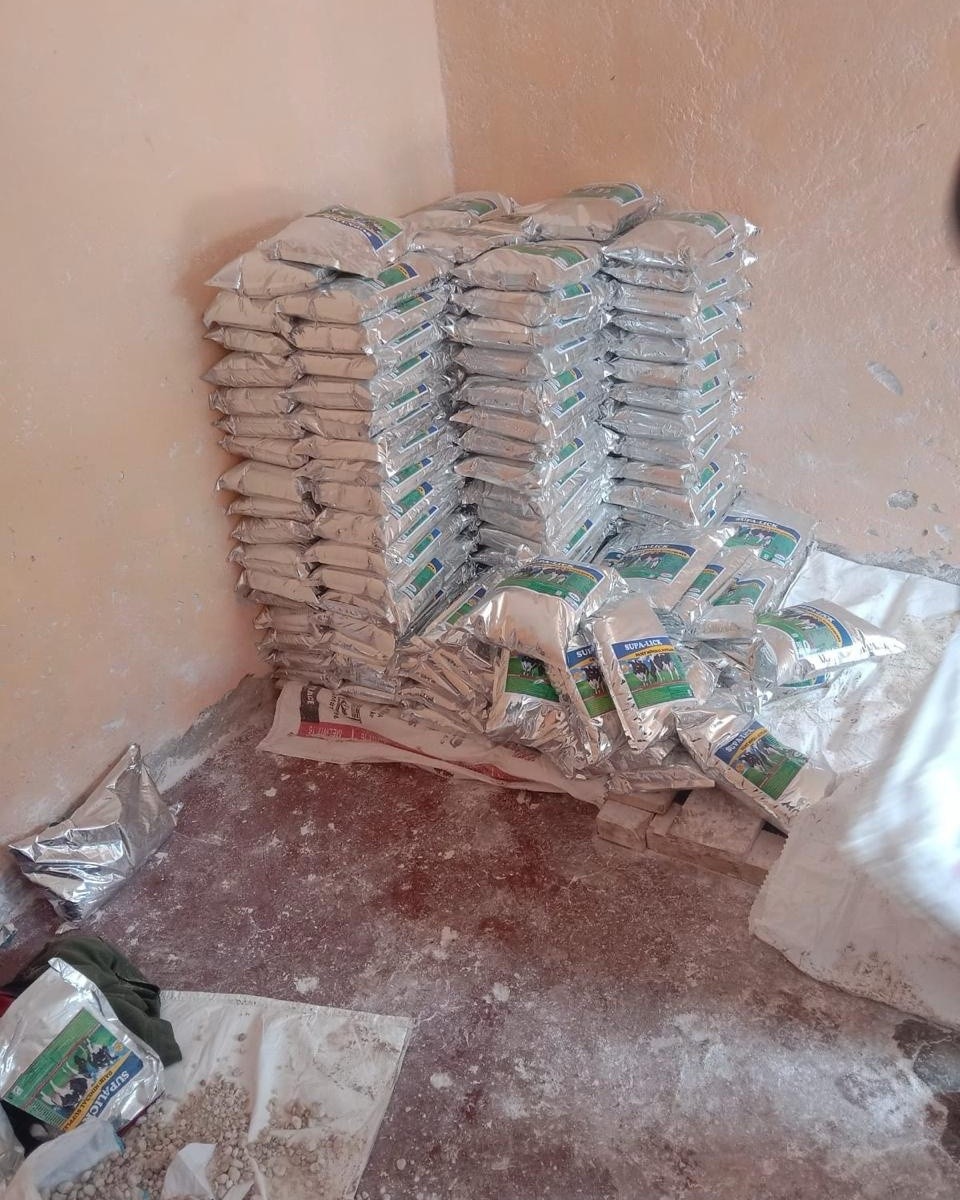
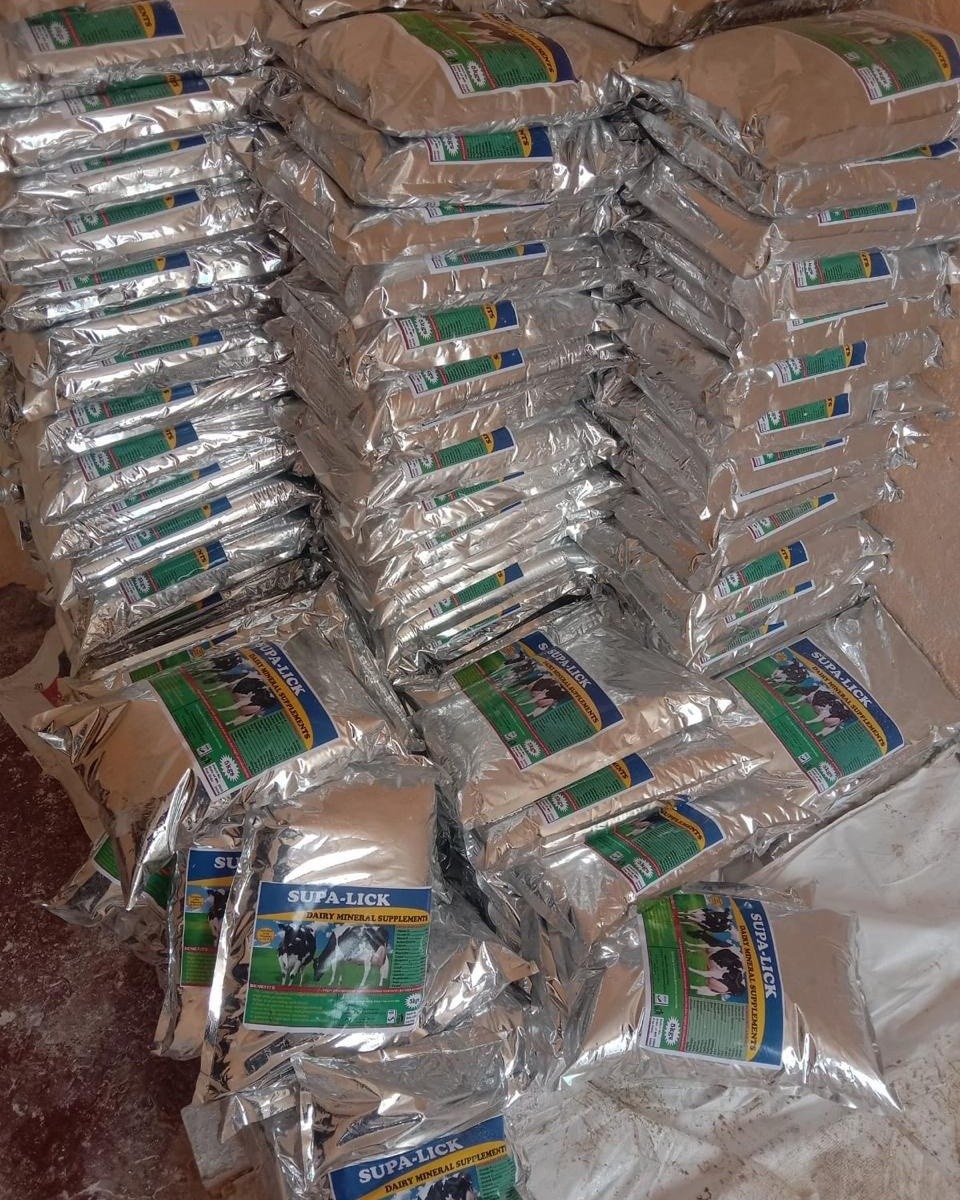
In the operation, officers from the Anti-Counterfeit Authority (ACA), working alongside the National Police Service (NPS), uncovered an illegal production site in the Moto area of Molo town where suspected counterfeit animal salt lick was being manufactured within a residential homestead. The operation led to the seizure of 542 packets of animal salt lick, each weighing 5 kilograms and valued at approximately Ksh 500,000. Also recovered were labels bearing different brand names, sealing equipment and quantities of an unknown substance suspected to have been used in the production process.
Two suspects were arrested and are currently assisting with investigations to establish the full extent of the operation, including the source of materials and the distribution network.
While the seizure itself is significant, the implications of such activities go far beyond the immediate enforcement action. The incident highlights a broader and increasingly urgent concern around suspected counterfeit agricultural inputs and their impact on food safety, public health and economic stability.
Suspected counterfeit animal feed products present serious risks to livestock health. Animals exposed to substandard or contaminated feed may suffer from poor growth, illness or reduced productivity, directly affecting farmers’ livelihoods. However, the risk does not stop at the farm.
Contaminated feed may enter the food chain, potentially affecting the safety of meat, milk and other animal products consumed by the public. In this way, suspected counterfeit agricultural inputs become a direct threat to consumer health, with possible exposure to harmful substances whose composition and safety standards are unknown.
Beyond health risks, the economic impact on farmers is significant. Farmers who unknowingly purchase suspected counterfeit products incur financial losses while experiencing reduced productivity, undermining confidence in agricultural markets and discouraging investment in the sector.
The emergence of such operations further points to the existence of organized networks involved in the production and distribution of counterfeit goods, reinforcing the need for sustained enforcement and intelligence-led interventions.
Commenting on the operation, Peter Wanyonyi, ACA Regional Manager, Eldoret, who led the team, said the seizure underscored the serious threat posed by counterfeit agricultural products to both farmers and consumers.
“This operation exposed a dangerous and illegal activity that posed a direct risk not only to livestock, but also to the safety of animal products consumed by the public. Suspected counterfeit animal feed undermines farmers’ investments, threatens food safety and weakens trust in the agricultural value chain. We urge members of the public to remain vigilant and to purchase products only from licensed and reputable outlets,” said Mr. Wanyonyi.
The Anti-Counterfeit Authority continues to work closely with partner agencies to disrupt such networks and protect both farmers and consumers. However, the Authority emphasizes that enforcement alone cannot fully address the challenge.
Public vigilance remains critical. Members of the public are urged to purchase agricultural inputs and animal products only from licensed and reputable outlets, and to report any suspicious products or activities to enforcement agencies.
As this case demonstrates, counterfeit products are not limited to consumer goods; they are increasingly infiltrating critical sectors such as agriculture, with far-reaching consequences.
Addressing this threat requires a collective effort to protect not only livestock and livelihoods, but also the safety of the food consumed across the country.